How I link code in blog posts
Here is a summary of how to link code in jekyll websites. Markdown Code Snippet For very fast code blocks that do not need to be synced to an code repo, we can simply wrap code in backticks: Code...
Here is a summary of how to link code in jekyll websites. Markdown Code Snippet For very fast code blocks that do not need to be synced to an code repo, we can simply wrap code in backticks: Code...
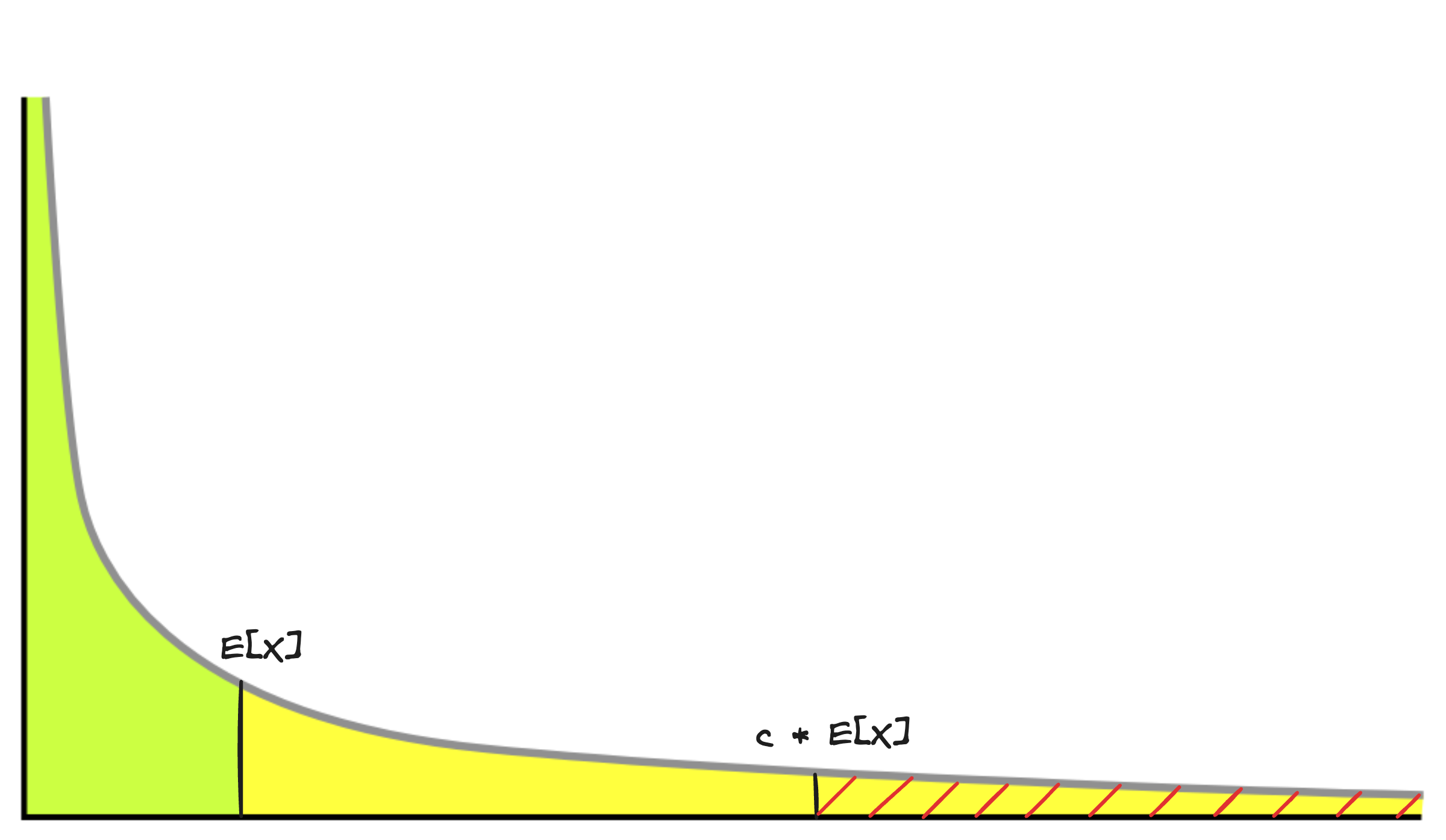
Consider a nonnegative random variable $X$ (i.e. annual income, home value, stock price). Here is the famous Markov Inequality 1: [\begin{flalign} \mathbb E [X] &= \int_{-\infty}^{\infty} x ...
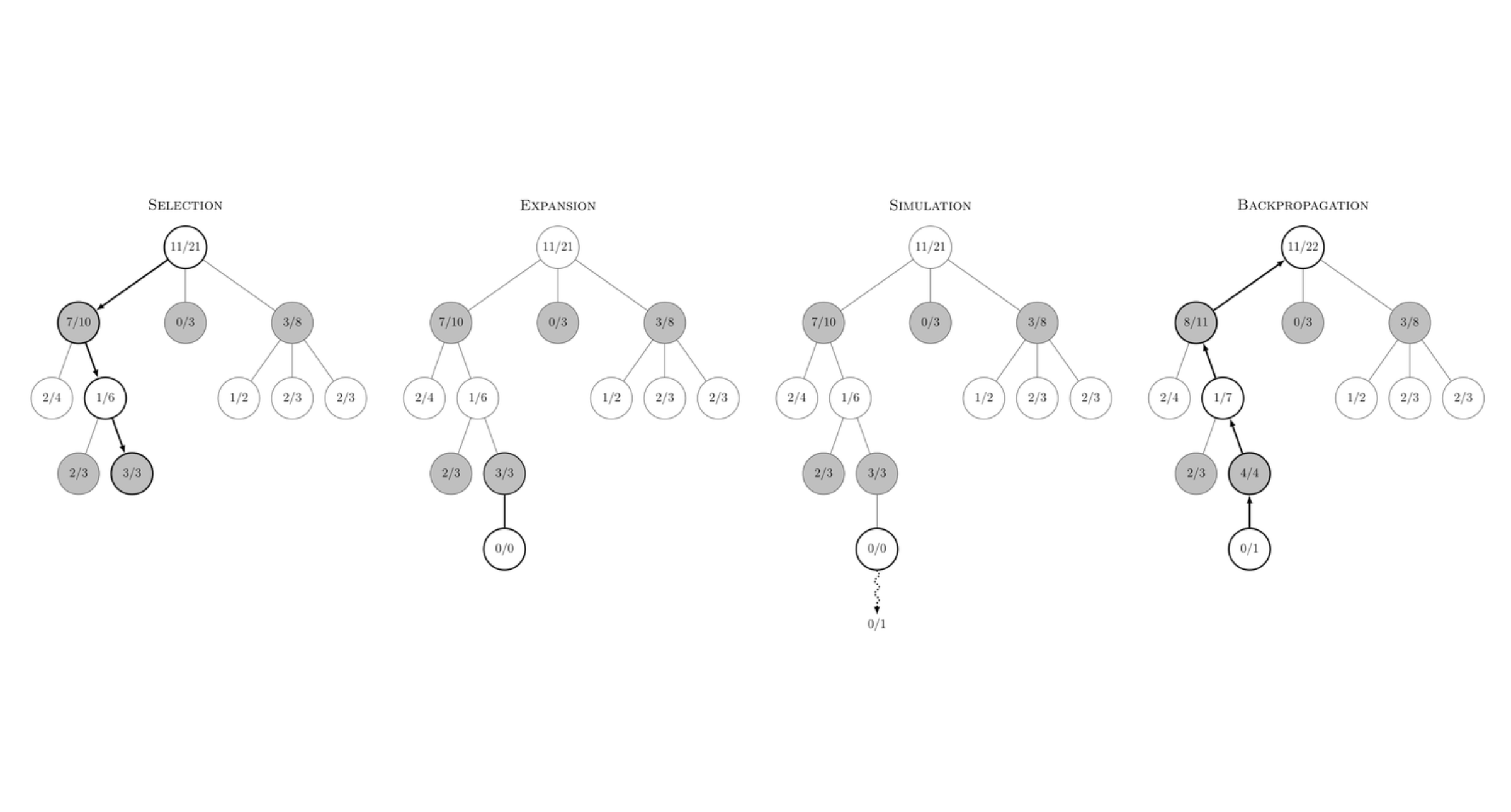
A post on how to combine an LLM with the Monte Carlo Tree Search (MCTS) algorithm. There are numerous versions of MCTS, I follow Planning with Large Language Models for Code Generation’s implementa...
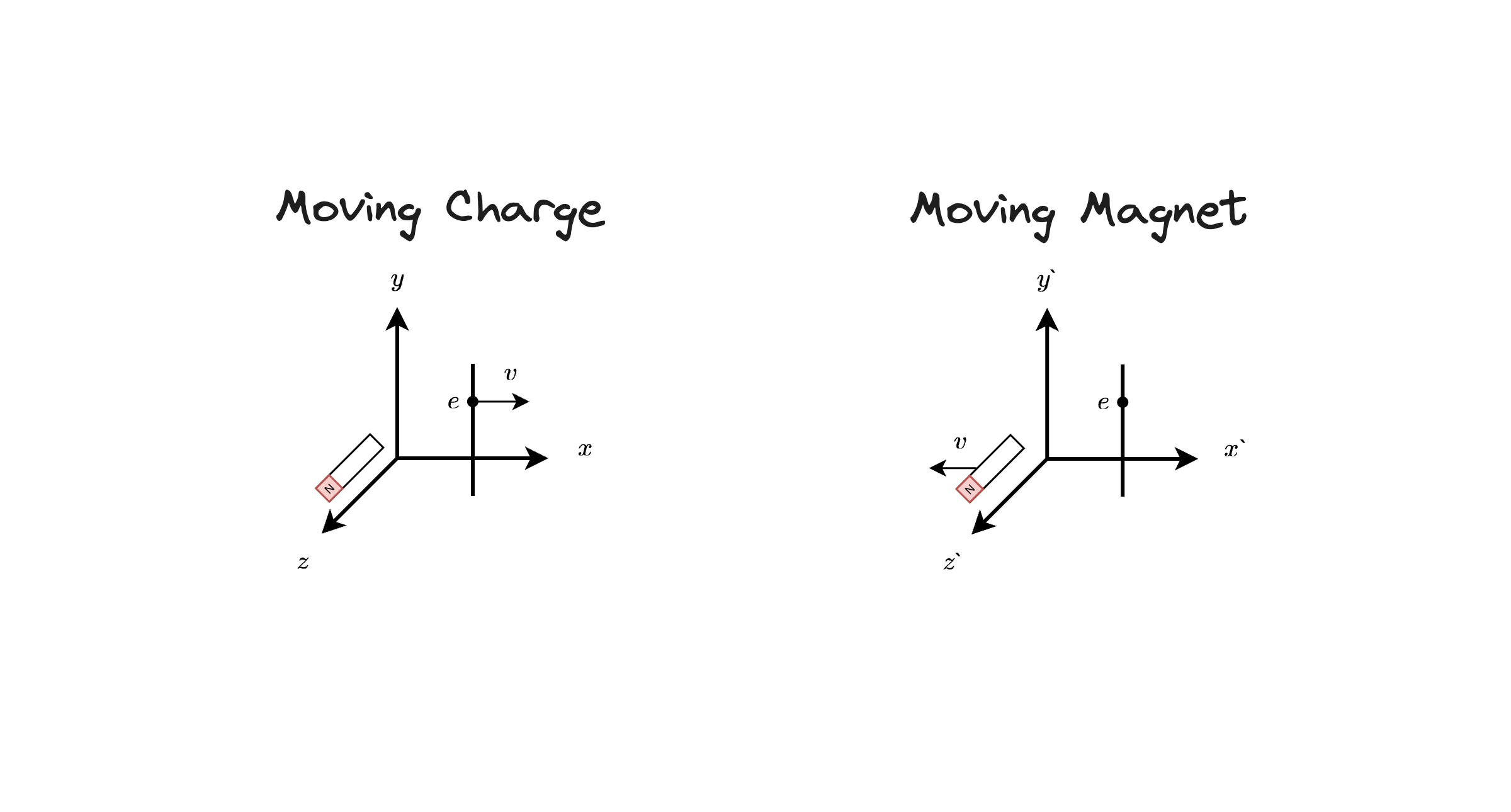
Details of an experiment originally explained in Albert Einstein’s 1905 paper on Special Relativity entitled On The Electrodynamics Of Moving Bodies. The experiment consists of an electric charge a...
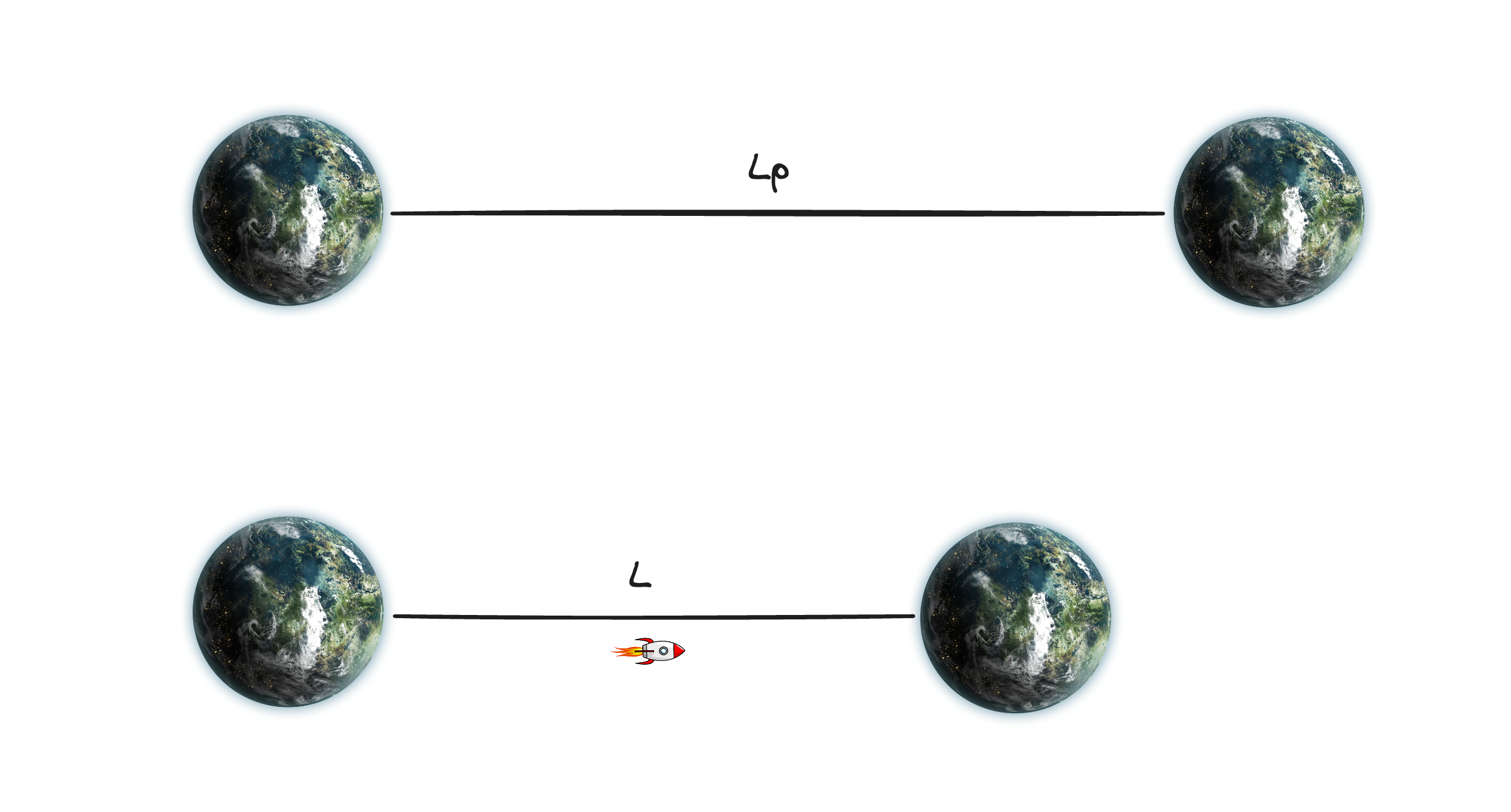
A follow up from my previous post on time dilation to explain length contraction. Consider a rocket ship traveling between two planets, $A$ and $B$. There is an observer on planet $A$ that observes...

A derivation of time dilation from Modern Physics 3rd Edition Section 1.5. Experimental Setup A moving observer on a train moving with speed $v$. A stationary observer that is not on the trai...
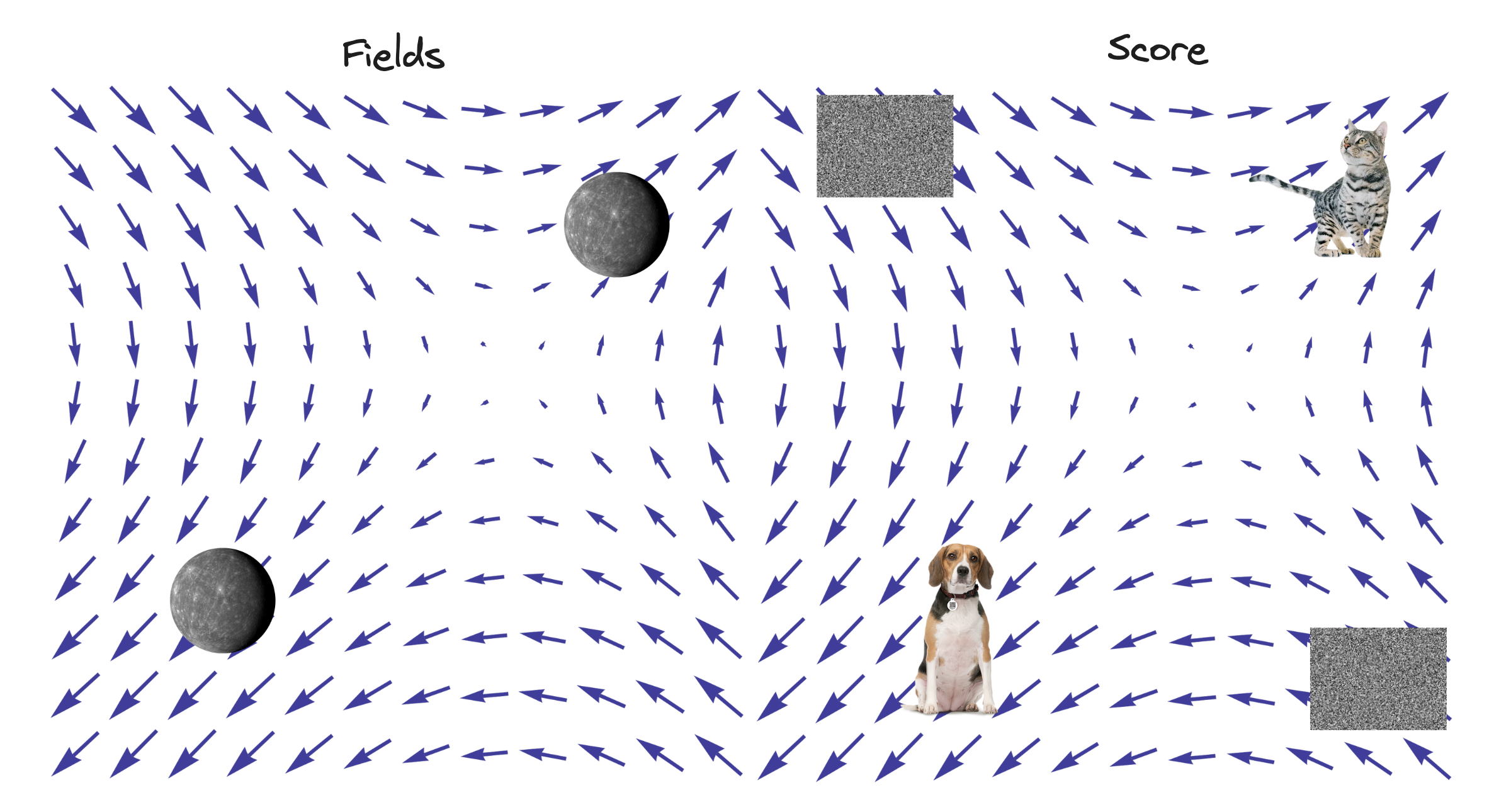
A post on the connection between the score of a likelihood function and a (scalar) field from classical field theory. Scores and Fields Before talking about how a field is similar to a score, I’ll...
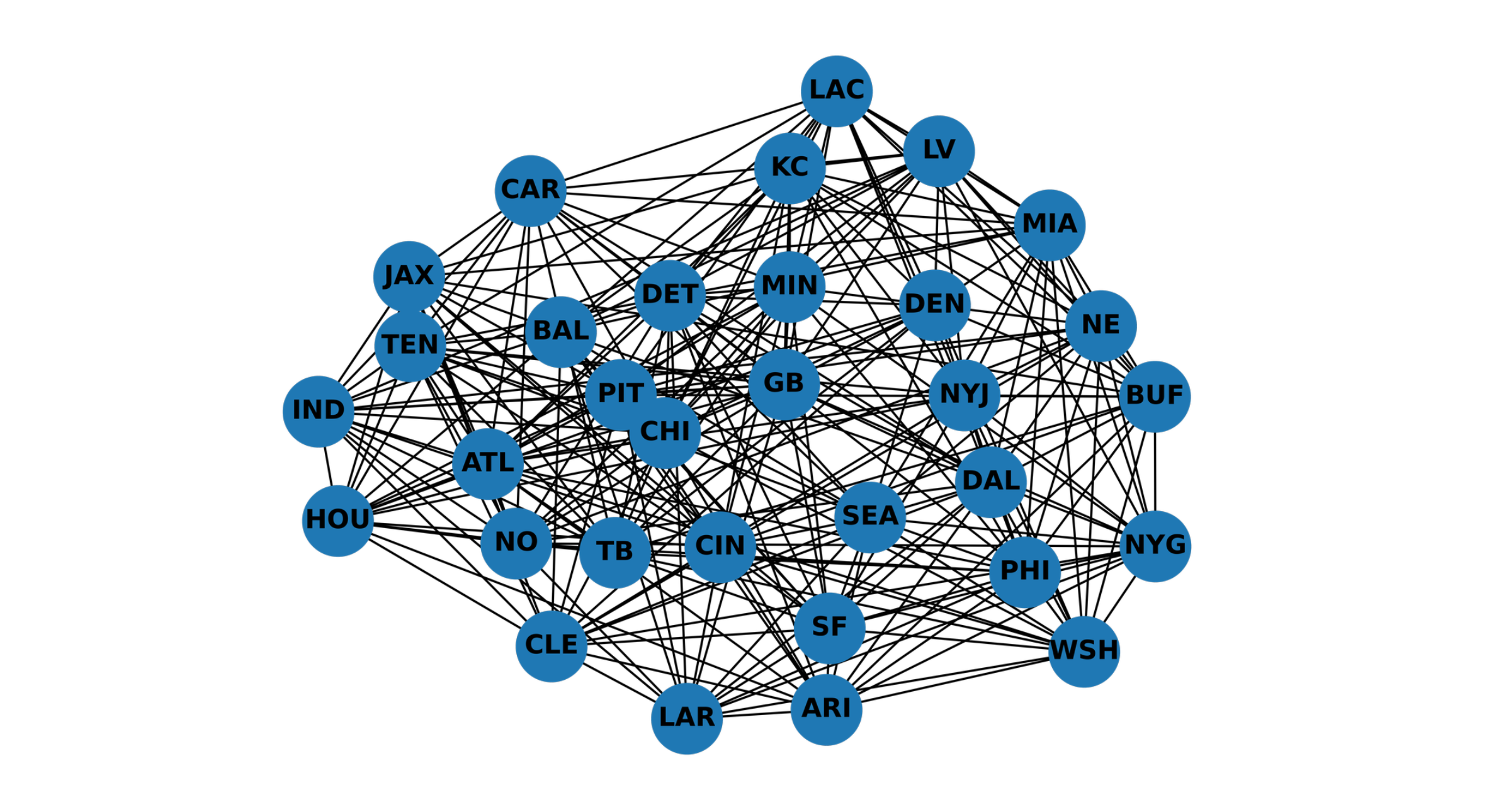
A post on the Bradley Terry model with NFL game data. The Bradley Terry model: [\log{\frac{p_{ij}}{1 - p_{ij}}} = \beta_i - \beta_j] Is a classical model for ranking or preference data and is som...
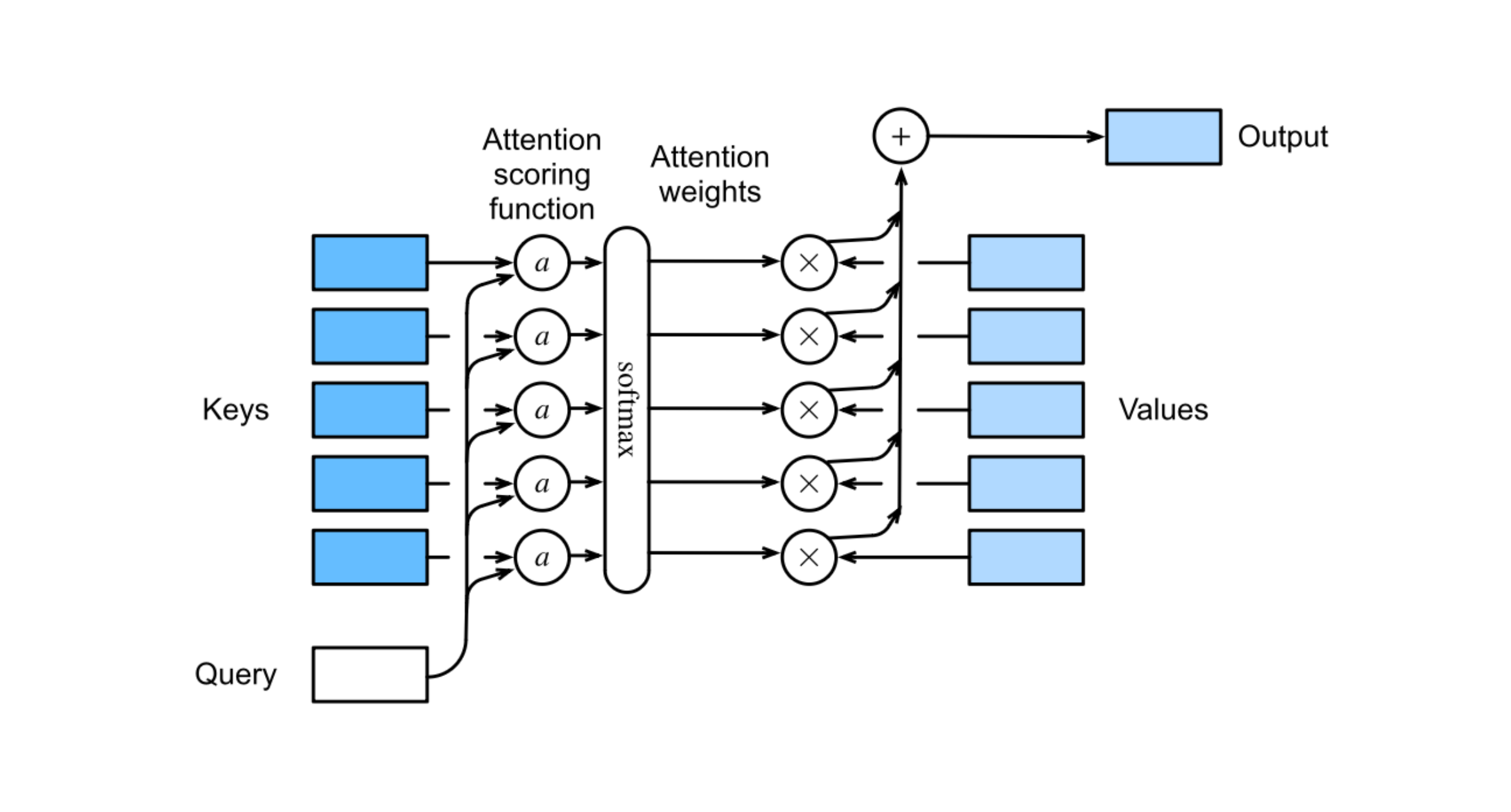
This post shows a graph (“message passing” or “soft dictionary lookup”) interpretation of Attention. It combines two really great references on the topic that show that forward passes through trans...
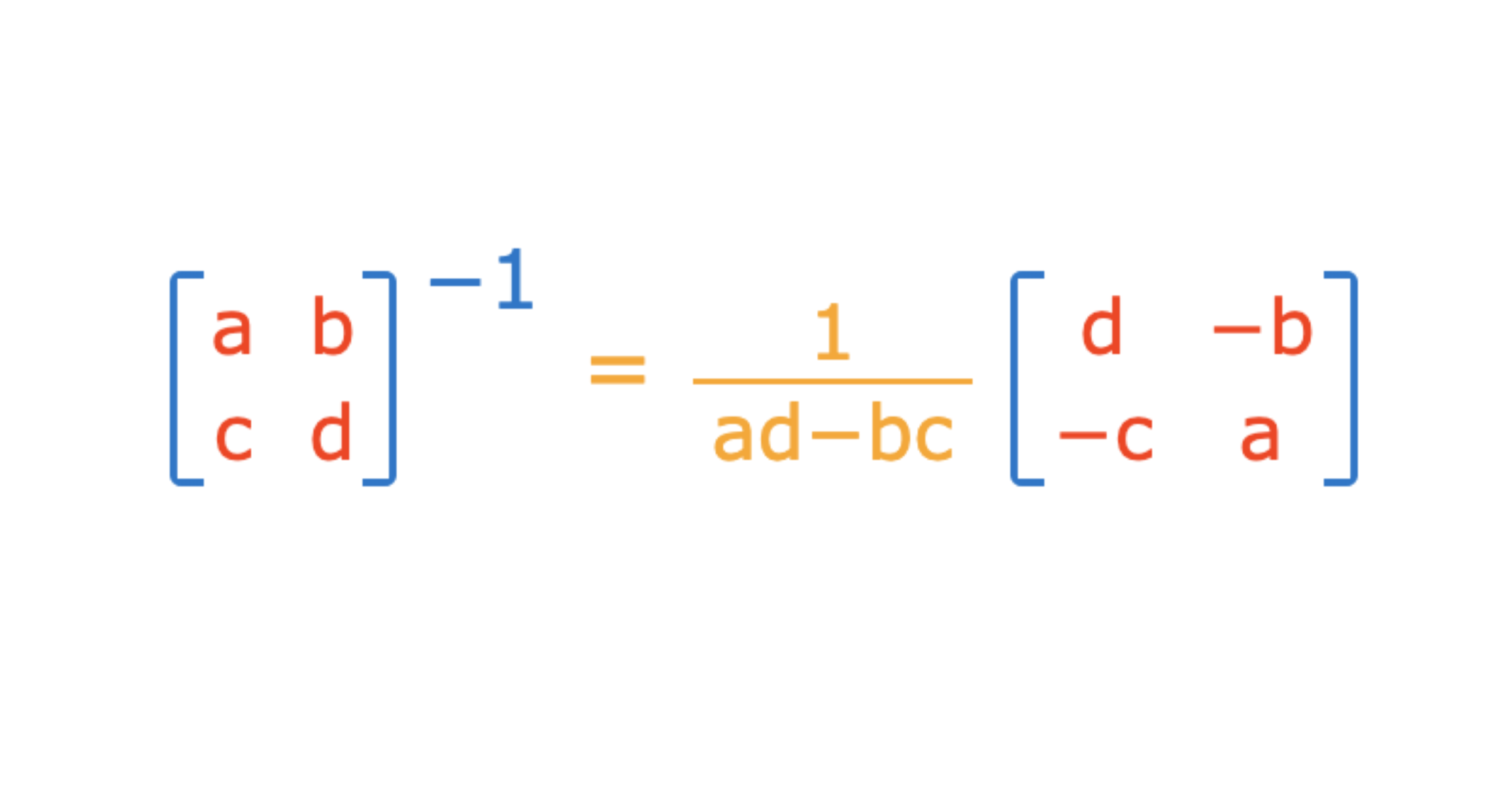
A post covering how to complete matrix inversions in PyTorch using BLAS and LAPACK operations. This is particularly useful in Statistics for inverting covariance matrices to form statistical estima...