
Bayesian Optimization in BoTorch
BoTorch is the python library behind the Ax engine I was using in my previous blog. I enjoyed making that post so much that I decided to take a deep dive into making custom models with the Model an...
BoTorch is the python library behind the Ax engine I was using in my previous blog. I enjoyed making that post so much that I decided to take a deep dive into making custom models with the Model an...

Following this Distill post on Bayesian Optimization very closely, I wanted to recreate the gold finding toy example using Ax and BoTorch. Since the OP already gives a very in-depth explanation of ...

This series of posts cover different types of distances and their invariant properties. This includes: Part 1: Euclidean distance Part 2: Mahalanobis distance Part 3: Spacetime interval Sp...
This series of posts cover different types of distances and their invariant properties. This includes: Part 1: Euclidean distance Part 2: Mahalanobis distance Part 3: Spacetime interval Co...
This series of posts cover different types of distances and their invariant properties. This includes: Part 1: Euclidean distance Part 2: Mahalanobis distance Part 3: Spacetime interval Ca...
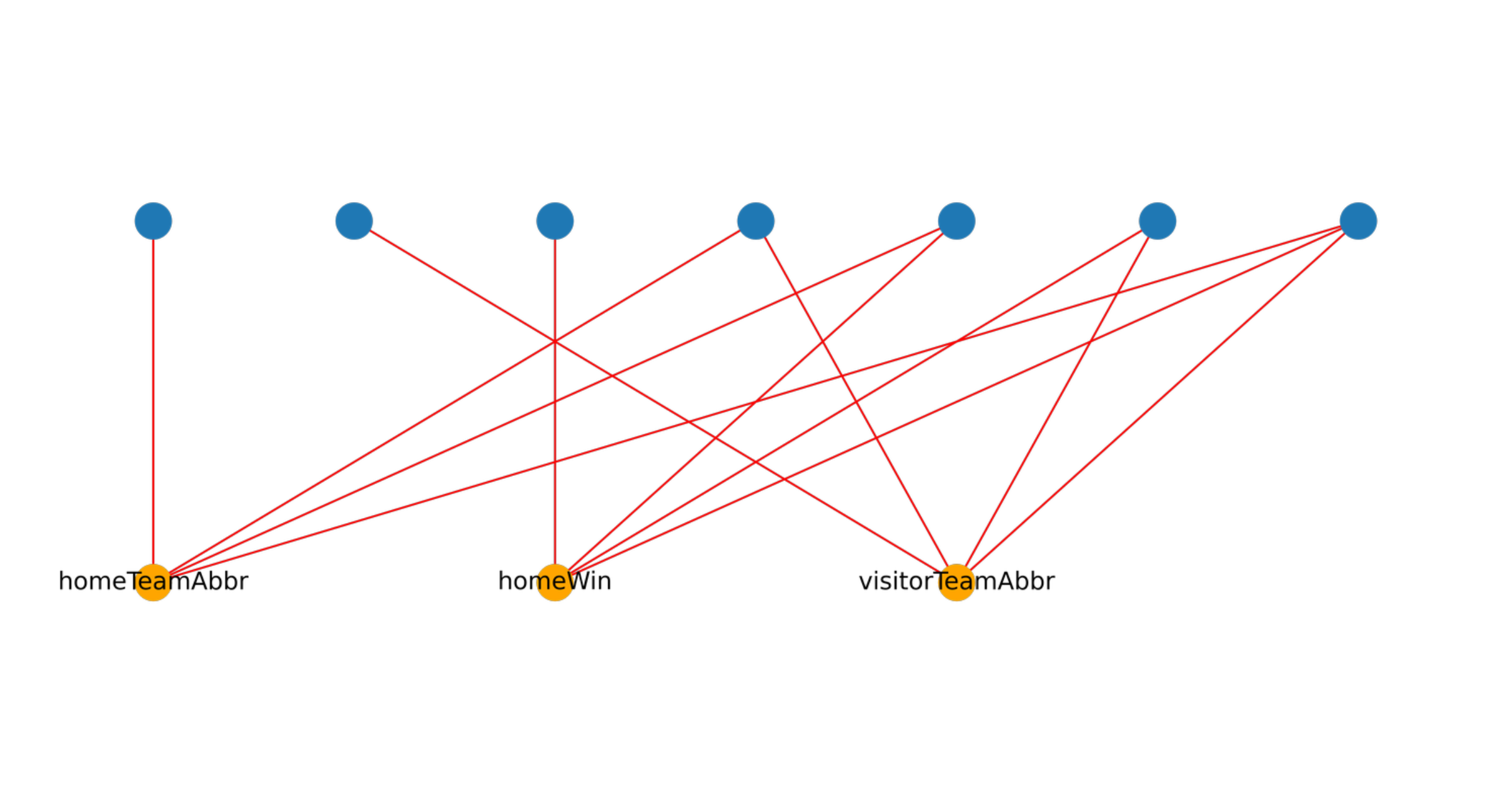
A x-post from my contribution to pgmpy, a library for probabilistic graphical models in python. You can find the original tutorial here, MirrorDescentEstimator here and MaximumLikelihoodEstimator h...
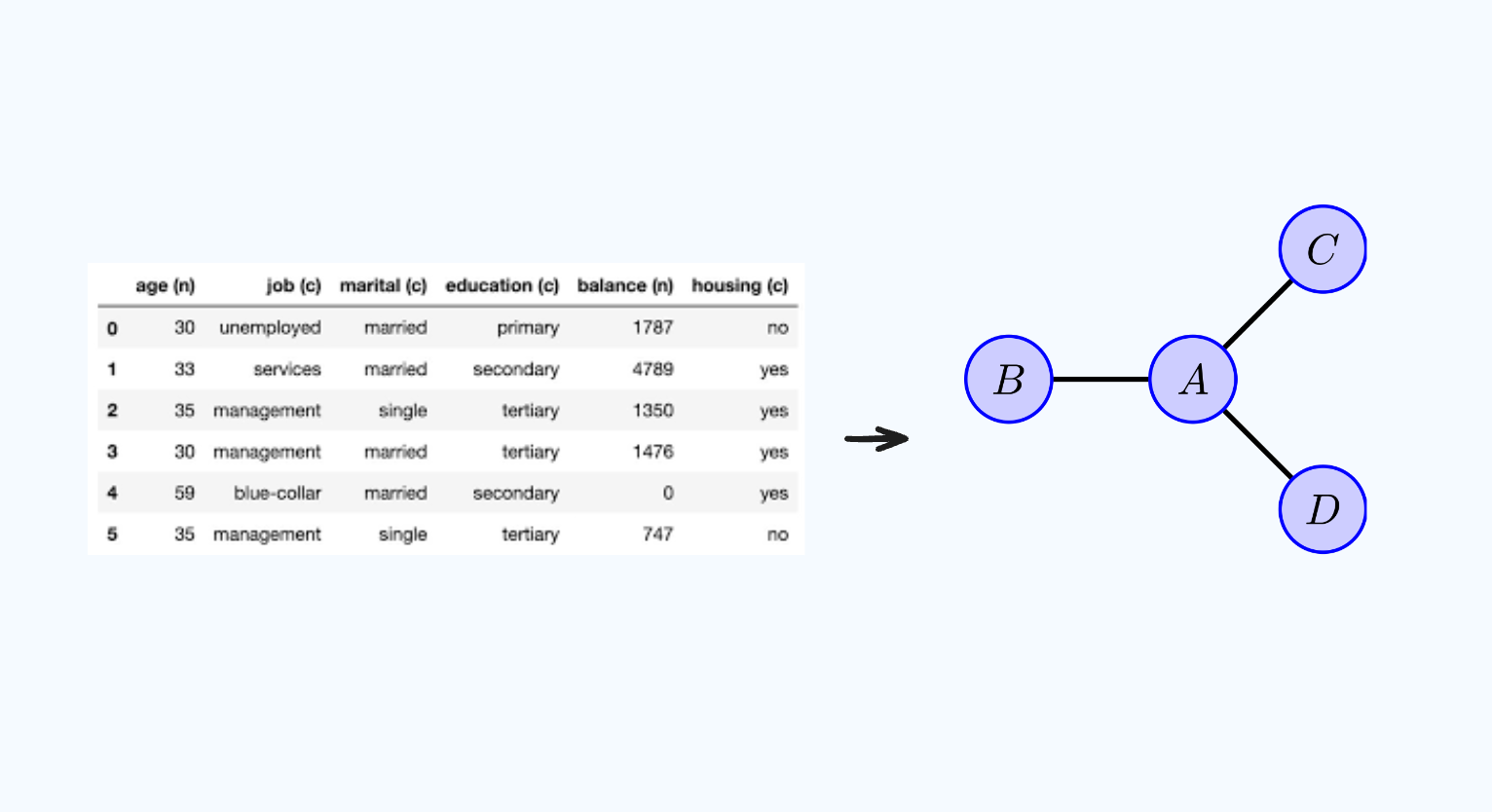
A post about modeling tabular datasets using Undirected Graphical Models with a python package called pgmpy. import numpy as np import pandas as pd import plotly.graph_objects as go import plotly....

I saw this interesting math problem from a coworker and decided to make a post discussing the computation. Coin Flipping Problem Flip a fair coin 100 times—it gives a sequence of heads (H) and t...
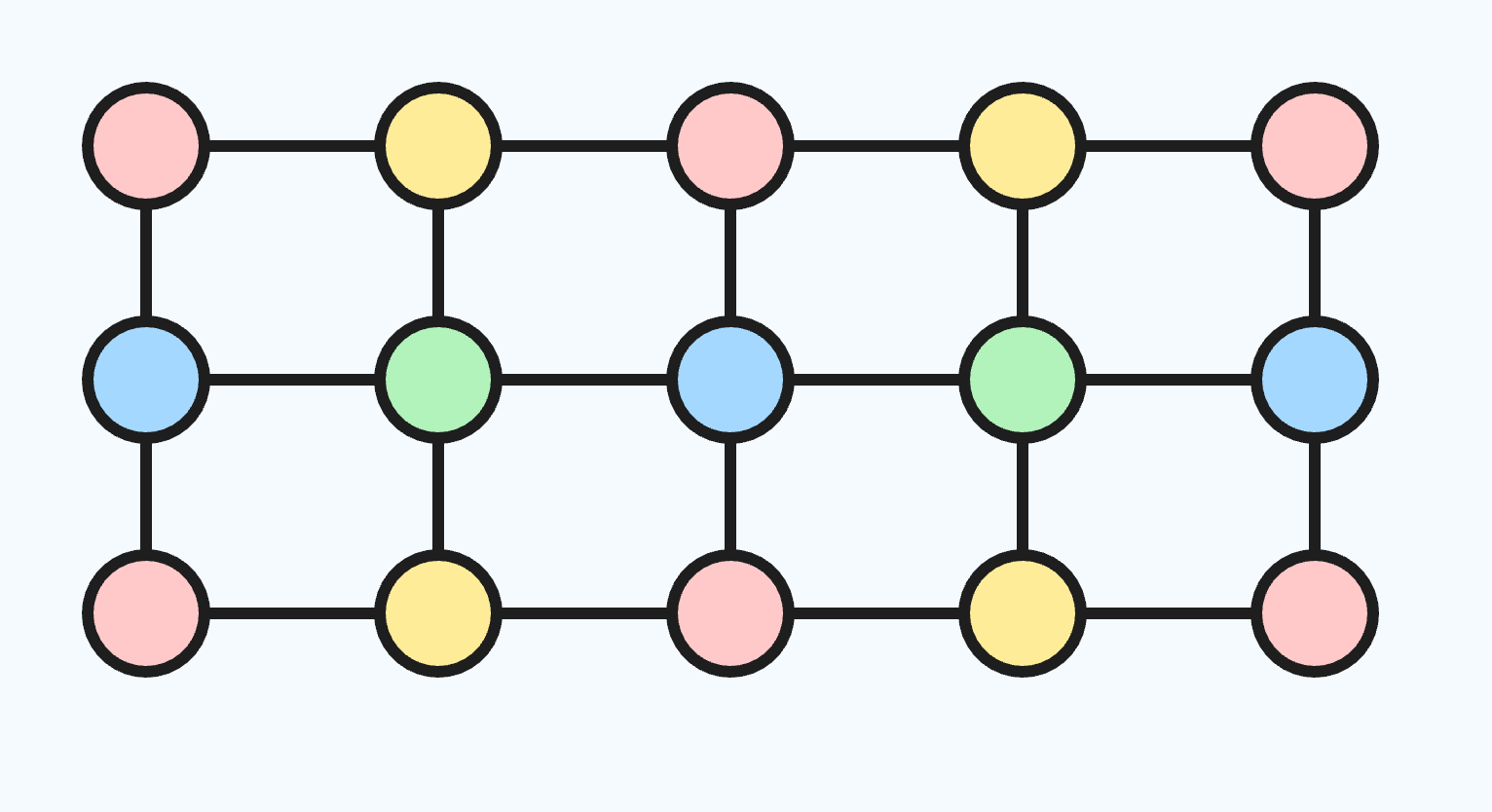
A post about the speed of the computation of the Ising Model. I compare Python, Cython, Numba, Mojo, & Julia on the Ising Model. I am sure there are optimizations I missed, e.g. vectorize, p...
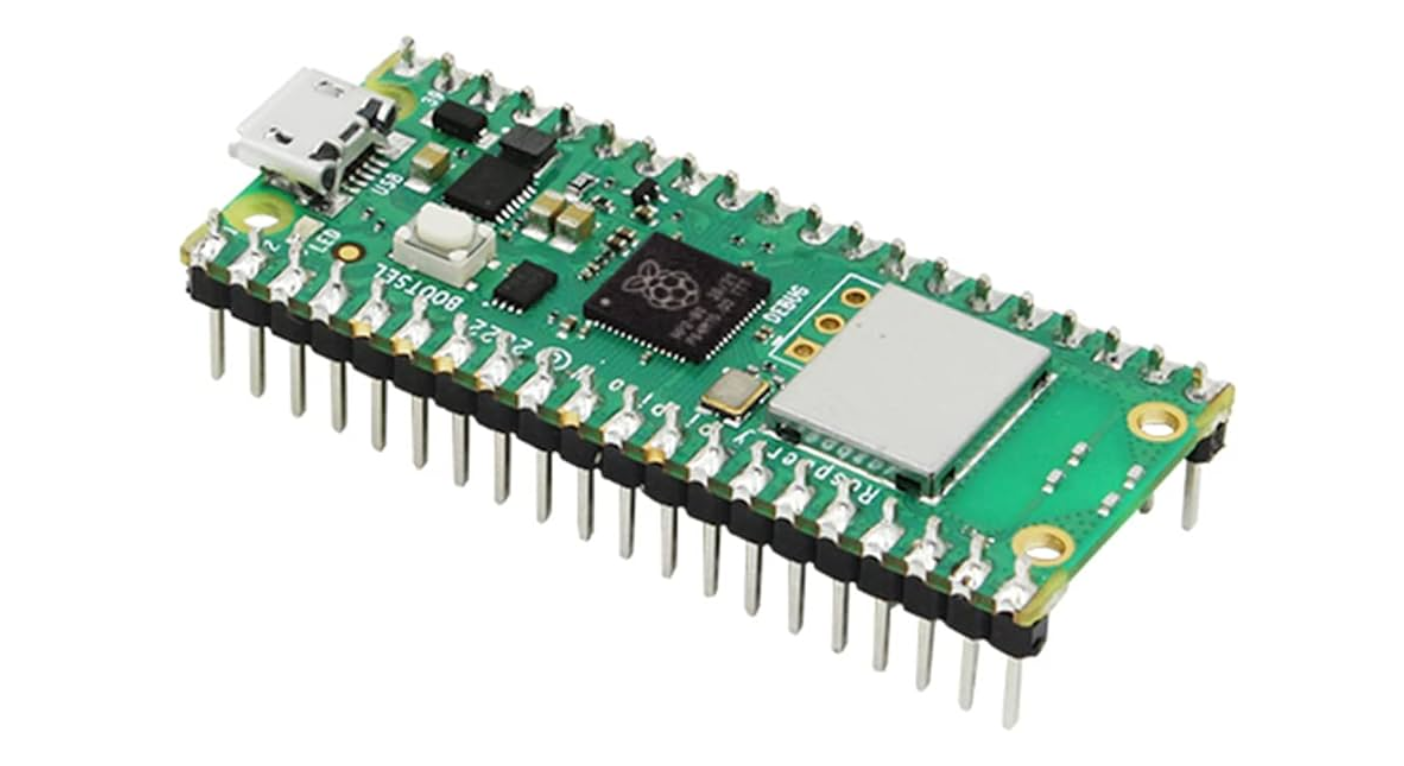
Tips & Tricks I learned along the way for using Micropython with a Raspberry Pi Pico W (Pico). This is a 0 to 1 post for starting a project on the Pico. The particular use case is not as import...